Debts are any bill you owe such as a credit card, car loan or any other loan. Mortgages are not factored into a quick debt reduction as they take at least 15 years to crush. The debt deletion strategy is managing and paying off debts one by one, starting with the smallest balance and moving on to larger ones as each is paid off. You create momentum by quickly paying off smaller debts, which then frees up more money to tackle the next smallest and repeat until ultimately you have a debt-free life.
First, list all your debts from smallest to largest, regardless of interest rates. This could include credit card balances, personal loans, student loans, and any other outstanding debts. Once you have your list, you begin by making minimum payments on all your debts except for the smallest one.
For the smallest debt, you allocate as much extra money as possible to pay it off quickly.
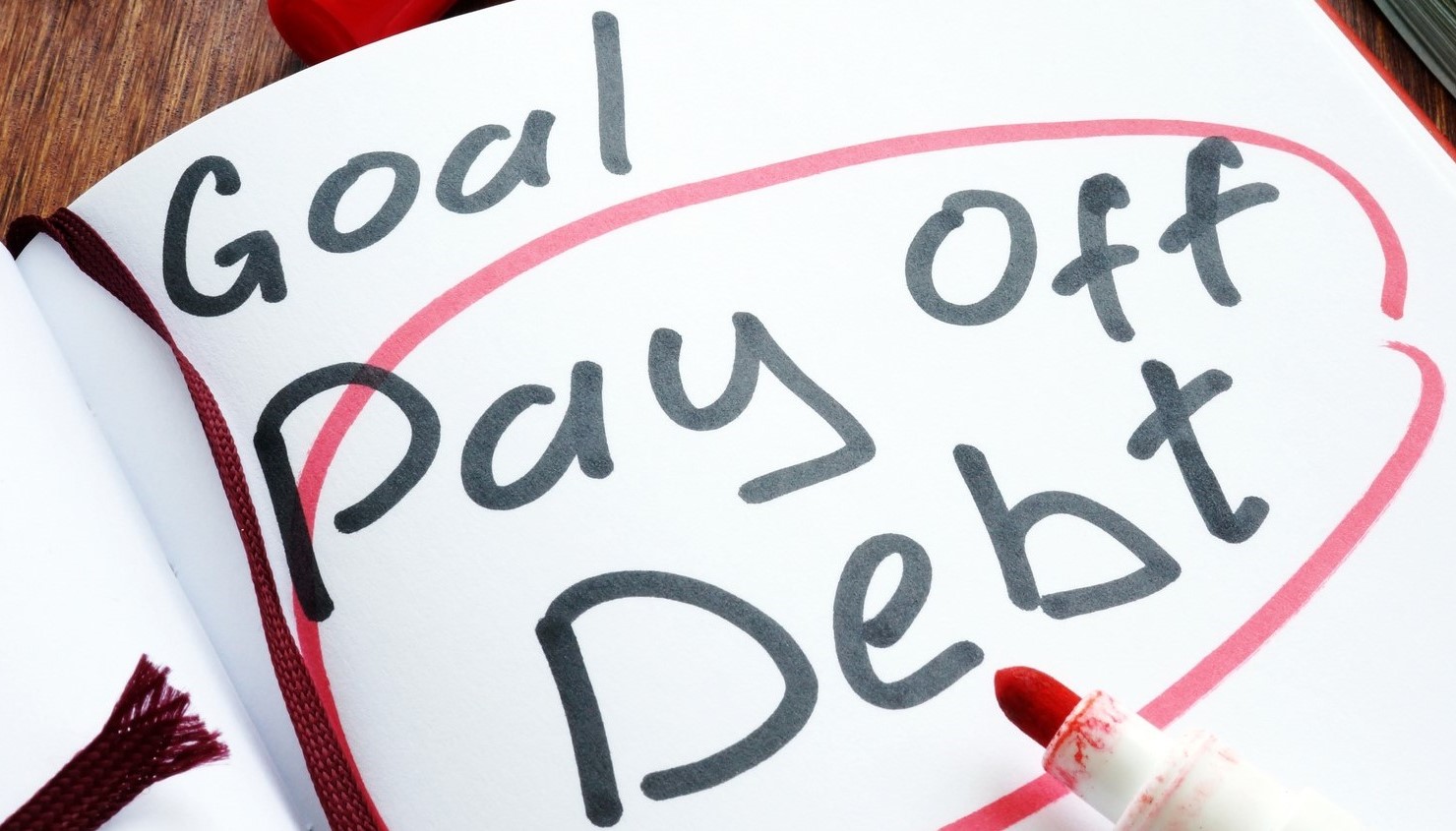
As you pay off each debt, you then take that money you were paying on that debt into the next one on the list. While this method may not always be the most financially optimal in terms of minimizing interest payments, its psychological benefits can be significant. The sense of accomplishment and motivation gained from paying off smaller debts early on can provide the momentum needed to stay on track and ultimately become debt-free.
If you really want to crush those debts with higher interest rates first, be sure to pay as much as humanly possibly so you can benefit from the same psychological effect of getting a debt deleted quickly.
Overall, by focusing on small victories and building momentum, individuals can break free from the cycle of debt and take control of their financial futures. While it may not be the most mathematically efficient approach, its simplicity and psychological benefits make it a valuable tool for anyone looking to eliminate debt and build a more secure financial foundation.
 Wealth Love Health