Sticking to paying off debts requires a combination of discipline, strategy, and mindset shifts. First and foremost, creating a realistic budget is essential. List all your sources of income and categorize your expenses, distinguishing between necessities and luxuries. Allocate a portion of your income specifically towards debt repayment, ensuring that it’s a priority. By visualizing where your money goes, you can identify areas where you can cut back and allocate more towards debt repayment.

Next, consider consolidating your debts if feasible. Consolidation can simplify your payments by combining multiple debts into a single monthly payment, often with a lower interest rate. This not only streamlines the repayment process but can also reduce the total amount of interest paid over a period of time. However, be cautious and do thorough research to ensure that debt consolidation is the right option for your financial situation. Don’t add a small debt to a huge debt and pay a higher interest rate over a long period of time. Instead, get rid of the small debt on its own as soon as possible.
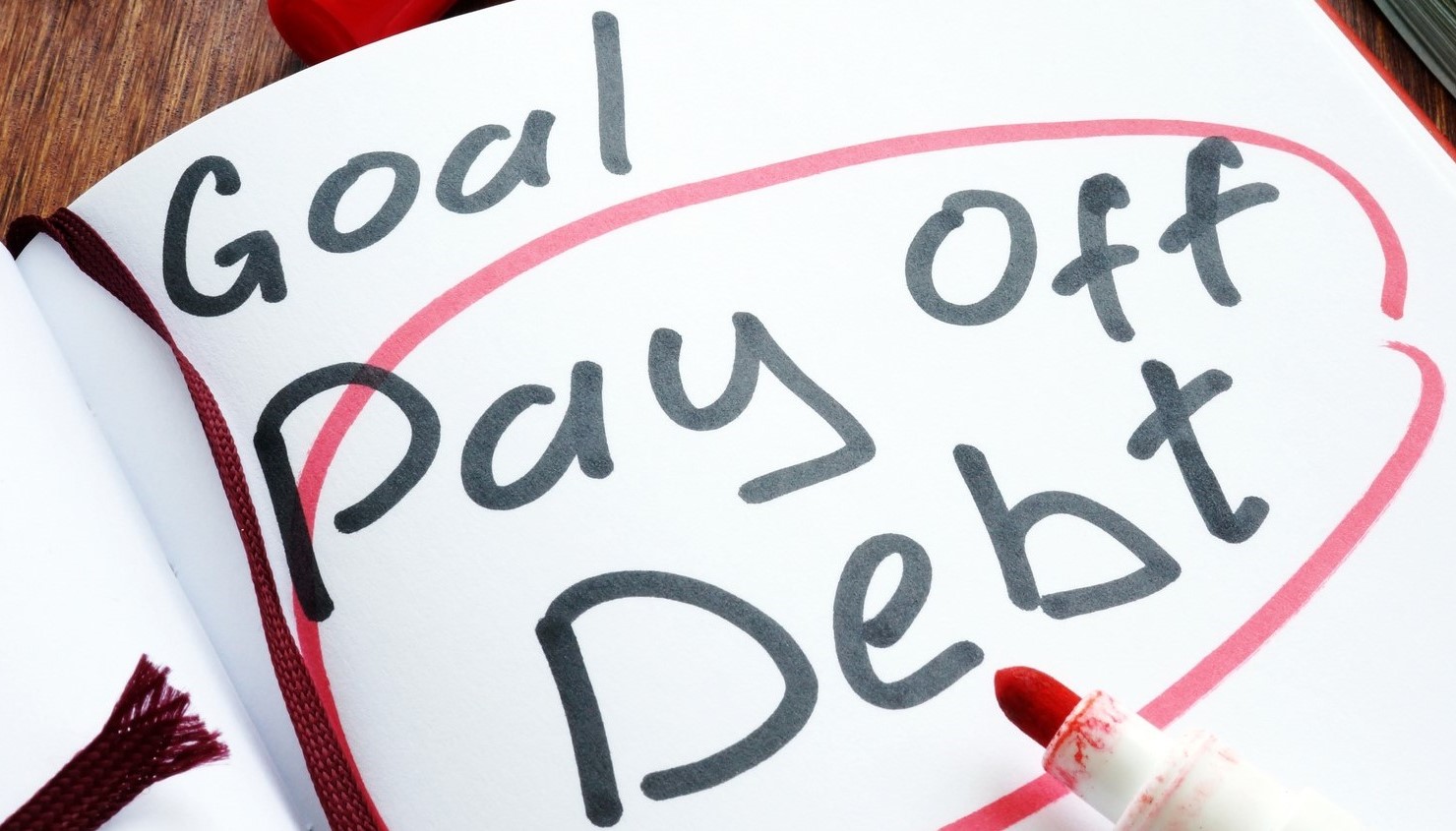
Set realistic goals and milestones for paying off your debts. Break down your total debt into manageable chunks and establish a timeline for each. Celebrate each milestone achieved, whether it’s paying off a credit card or making a significant dent in your student loan. This not only provides motivation but also helps you stay on track and committed to your debt repayment plan.

Find ways to increase your income or reduce expenses to accelerate your debt payoff journey. Consider taking on a part-time job, freelancing, or selling items you no longer need to generate extra income. Additionally, look for opportunities to trim unnecessary expenses from your budget, such as dining out less frequently, cancelling subscription services you don’t use and maybe some you use but could easily live without, or negotiating lower rates on utilities and insurance. When you sell an item place that entire income on getting rid of the smallest debt.
Stay accountable by sharing your debt repayment goals with a trusted friend or family member or a coach. Having someone to support and encourage you can make a significant difference in your ability to stick to your plan. Consider joining a financial support group or online community where you can share your progress, seek advice, and gain inspiration from others who are also working towards financial freedom.
Finally, cultivate a positive mindset and practice patience throughout your debt repayment journey. It’s important to acknowledge that paying off debt is a gradual process that requires persistence and determination. Focus on the progress you’ve made rather than dwelling on setbacks and remind yourself of the long-term benefits of becoming debt-free. By staying committed to your plan and making consistent efforts, you can successfully stick to paying off your debts and achieve financial freedom.
 Wealth Love Health