How To Make Money Work for You

Saving and investing are essential financial practices for beginners to secure their future and achieve their financial goals. Earning a return on your investment is the best way to have your money actually working for you. While you sleep, you earn. While you vacation, you still earn.
Saving involves setting aside a portion of income regularly, while investing involves putting money into assets with the expectation of generating returns over time. Both practices are crucial for building wealth, managing financial emergencies, and achieving long-term financial stability.

One of the first steps for beginners in saving and investing is to establish clear financial goals. Whether it’s saving for a down payment on a house, building an emergency fund, or planning for retirement, having specific goals provides direction and motivation. Setting realistic and achievable goals helps beginners stay focused and committed to their saving and investing plans.

Creating a budget is another fundamental aspect of saving and investing for beginners. A budget helps individuals track their income and expenses, identify areas where they can cut costs, and allocate funds towards savings and investments. By living within their means and adhering to a budget, beginners can free up money to save and invest for the future.

When it comes to saving, beginners should prioritize building an emergency fund. An emergency fund acts as a financial safety net, providing a cushion to cover unexpected expenses such as medical bills, car repairs, or job loss. We recommend saving enough to cover three to six months’ worth of living expenses in an easily accessible account, such as a high-yield savings account. If you have children then it’s ideal to have a full 12 months’ worth of expenses saved.

For investing, beginners should start with basic investment vehicles such as employer-sponsored retirement plans like 401(k)s or individual retirement accounts (IRAs). These accounts offer tax advantages and typically include a range of investment options such as stocks, bonds, and mutual funds. Beginners can choose a diversified mix of investments based on their risk tolerance, investment horizon, and financial goals.

If you’re not in the US to take advantage of the 401K, then consider investing in an oil company in your country. Generally buying shares in an oil company and holding them to earn dividends quarterly is a good way to invest. As you learn more you may sell shares purchased at a lower cost to earn the difference of what those shares are trading at today. However, no dividends will be earned on those you have just sold.

We offer more investment advice on this blog and will continue to add articles that we hope you’ll find beneficial.


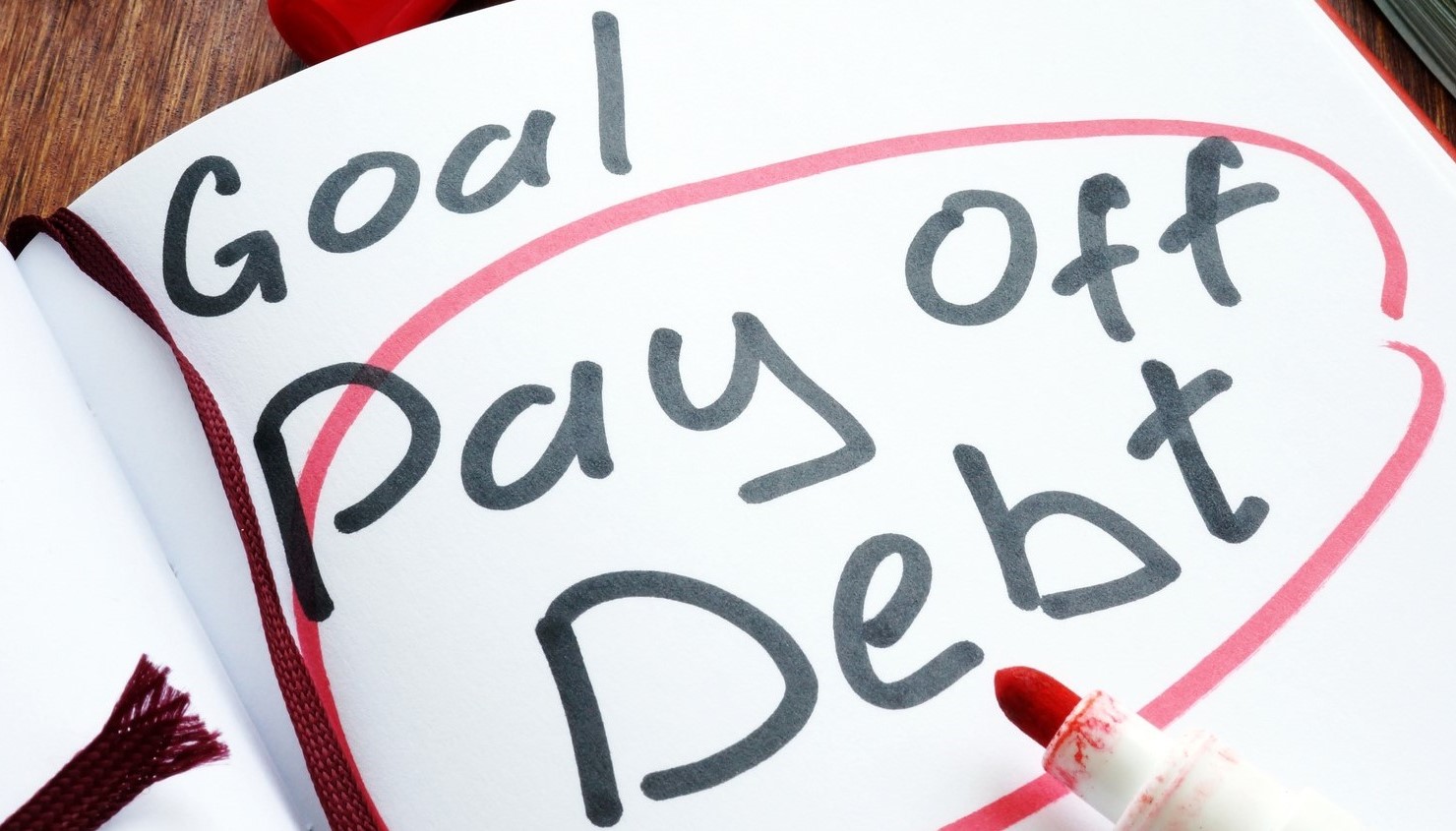
How to Stick to Paying Off Debts

Sticking to paying off debts requires a combination of discipline, strategy, and mindset shifts. First and foremost, creating a realistic budget is essential. List all your sources of income and categorize your expenses, distinguishing between necessities and luxuries. Allocate a portion of your income specifically towards debt repayment, ensuring that it’s a priority. By visualizing where your money goes, you can identify areas where you can cut back and allocate more towards debt repayment.

Next, consider consolidating your debts if feasible. Consolidation can simplify your payments by combining multiple debts into a single monthly payment, often with a lower interest rate. This not only streamlines the repayment process but can also reduce the total amount of interest paid over a period of time. However, be cautious and do thorough research to ensure that debt consolidation is the right option for your financial situation. Don’t add a small debt to a huge debt and pay a higher interest rate over a long period of time. Instead, get rid of the small debt on its own as soon as possible.

Set realistic goals and milestones for paying off your debts. Break down your total debt into manageable chunks and establish a timeline for each. Celebrate each milestone achieved, whether it’s paying off a credit card or making a significant dent in your student loan. This not only provides motivation but also helps you stay on track and committed to your debt repayment plan.

Find ways to increase your income or reduce expenses to accelerate your debt payoff journey. Consider taking on a part-time job, freelancing, or selling items you no longer need to generate extra income. Additionally, look for opportunities to trim unnecessary expenses from your budget, such as dining out less frequently, cancelling subscription services you don’t use and maybe some you use but could easily live without, or negotiating lower rates on utilities and insurance. When you sell an item place that entire income on getting rid of the smallest debt.

Stay accountable by sharing your debt repayment goals with a trusted friend or family member or a coach. Having someone to support and encourage you can make a significant difference in your ability to stick to your plan. Consider joining a financial support group or online community where you can share your progress, seek advice, and gain inspiration from others who are also working towards financial freedom.

Finally, cultivate a positive mindset and practice patience throughout your debt repayment journey. It’s important to acknowledge that paying off debt is a gradual process that requires persistence and determination. Focus on the progress you’ve made rather than dwelling on setbacks and remind yourself of the long-term benefits of becoming debt-free. By staying committed to your plan and making consistent efforts, you can successfully stick to paying off your debts and achieve financial freedom.

How I Paid My Mortgage Off In 2 Years!

After almost losing my house to the bank, I devised a plan to pay my mortgage off ASAP! First, I had to change my mindset and commit to saving as much money as possible. As I stopped buying unnecessary stuff (including clothing) I was able to use those funds to invest in a specific (high performing) share each month, I became excited at the prospect of one day owning my home. During this time I paid only the exact monthly payments that were required to keep the mortgage in good standing.

Mindset plays a crucial role in your ability to hoard finances and pay off your mortgage quicker. Having a mindset focused on financial discipline and frugality encourages you to prioritize saving over unnecessary spending. By adopting a mindset that values long-term financial security over short-term gratification, you will be more likely to make conscious decisions to cut expenses, increase savings, and allocate extra funds towards paying off your mortgage faster.

A mindset centred on goal-setting and perseverance provides the mental framework necessary to stay motivated and committed to financial goals. Setting a clear objective, such as paying off the mortgage ahead of schedule, will give you a sense of purpose and direction. With this mindset, you will be more inclined to develop and stick to a strategic plan, whether it involves increasing income streams, reducing expenses, or both, in order to pay the mortgage faster and achieve your desired financial freedom sooner.

Thinking Outside the Box

Second, I had to do something more and tried to create new income streams like renting a space in my house with an exterior door. That rental income went directly into purchasing more shares. But my calculations showed me this was still going to take more than ten years to master and I really wanted to offload this debt.

Third, I remained opened to new possibilities and consistently kept my mind on how to bring in more income. Soon I learned I could take a pension pay-out and followed the guidelines of the three plans I had participated in and stashed all those funds into more dividends.

The moment I purchased shares I opened for the dividend-reinvestment program and by the time I had enough funds to pay off my mortgage I learned that my reinvestments had yielded me over $27,000. Had I taken those dividend payments each quarter, it would have taken me at least another year to pay off that mortgage. There will be some sacrifice but you can do it if you stay on track month after month. Once the value of my shares reached $93,977 I cashed them in and paid the mortgage off immediately.

Along the way investors offered many other investment options. One cost me some money and this was disappointing but I did not allow it to get me down for too long. I immediately made the decision to not take any further risks and kept investing in the stock that was consistently yielding a reasonable return. I had to stay positive that this would continue to work for me.

Lastly, a positive mindset can help you overcome challenges and setbacks along the way to paying off your mortgage quicker. By cultivating resilience and optimism, you will be better equipped to navigate unexpected financial obstacles, such as job loss or economic downturns, without derailing your progress. Instead of succumbing to fear or doubt, a resilient mindset will encourage you to adapt, persevere, and find creative solutions to stay on track towards your financial goals, ultimately enabling you to achieve the satisfaction of homeownership without the burden of mortgage debt looming over your head.

How to Delete Debts Fast

Debts are any bill you owe such as a credit card, car loan or any other loan. Mortgages are not factored into a quick debt reduction as they take at least 15 years to crush. The debt deletion strategy is managing and paying off debts one by one, starting with the smallest balance and moving on to larger ones as each is paid off.  You create momentum by quickly paying off smaller debts, which then frees up more money to tackle the next smallest and repeat until ultimately you have a debt-free life.

First, list all your debts from smallest to largest, regardless of interest rates. This could include credit card balances, personal loans, student loans, and any other outstanding debts. Once you have your list, you begin by making minimum payments on all your debts except for the smallest one.

For the smallest debt, you allocate as much extra money as possible to pay it off quickly.

As you pay off each debt, you then take that money you were paying on that debt into the next one on the list. While this method may not always be the most financially optimal in terms of minimizing interest payments, its psychological benefits can be significant. The sense of accomplishment and motivation gained from paying off smaller debts early on can provide the momentum needed to stay on track and ultimately become debt-free.

If you really want to crush those debts with higher interest rates first, be sure to pay as much as humanly possibly so you can benefit from the same psychological effect of getting a debt deleted quickly.

Overall, by focusing on small victories and building momentum, individuals can break free from the cycle of debt and take control of their financial futures. While it may not be the most mathematically efficient approach, its simplicity and psychological benefits make it a valuable tool for anyone looking to eliminate debt and build a more secure financial foundation.