Did you know many people die prematurely simply because of their diet?!
Let me say that differently: Did you know the foods you’re putting into your mouth each meal could be killing you?!!
Fries
They are possibly the worst food you can eat. Why? The rancid oils they are fried in can cause so much harm to the body, primarily artery blockages that cause heart attacks, but also gallstones which could lead to loss of your gallbladder, an organ they say you can live without but what they don’t tell you is how different life will be without the gallbladder. Of course, in addition to fries, there are all the other fried foods which are very popular with fast food restaurants. Convenient foods are killing us.

Sugar
It has always gotten a bad reputation but again not enough is said about the vast number of diseases that stem from consuming too much sugar on an ongoing basis. Alzheimer’s is now referred to as Diabetes Type 3. We know that Diabetes Type 2 is a horrible disease that can ultimately lead to the person having to have a limb amputated. Persons who have lost their leg/s have been known to say they wish they known how bad sugar and carbohydrates really are.
Carbohydrates
It’s the other sugar. Every “bad carbohydrate” is high glycemic and breaks down into sugar in the bloodstream. Some cultures eat three and four sides to lunch and again at dinner and most sides are carbohydrates such as mashed potatoes, rice, macaroni and cheese, etc. “Good carbohydrates” such as sweet potatoes, pumpkin, and the like will take longer to break down and therefore do not spike insulin production.
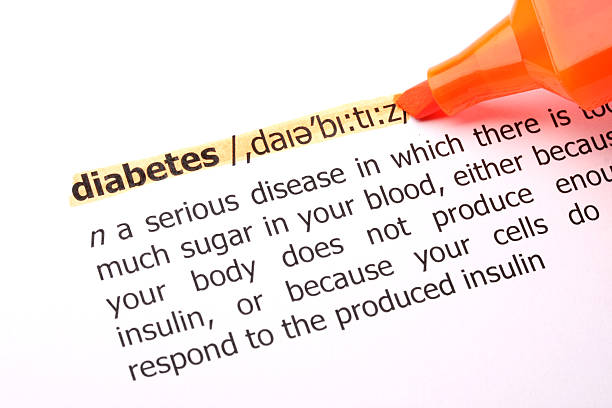
Diabetes Causes Other Diseases
Over time, repeated spikes in your blood sugar can cause heart and kidney problems. Diabetes can also cause problems with your eyesight and nerve issues such as neuropathy which is the loss of feelings in your fingers and toes. We are not doctors so we won’t get into the stages of these various illnesses. The purpose of this is to enlighten readers to reconsider the foods they put in their bodies each day as many are literally killing us.
The pancreas is involved in the processing of sugars and pancreatic cancer has been known to claim lives fast. In my personal experience, a close relative died only two months after being diagnosed with stage four pancreatic cancer. When we asked the doctors why this wasn’t diagnosed earlier, they advised there’s no screening for pancreatic cancer.
Whole Foods
With so many foods being bad for different organs of the body, what are we supposed to eat? Whole foods – vegetables, fruits, nuts and grains. There are so many varieties. We just have to get creative and try a variety of different recipes. I didn’t eat cauliflower for years because of its texture and it’s so bland. Now, cauliflower is the main item in our “chip n dip” nights. We lightly brown the cauliflower in a frying pan with a sliver of olive oil (good fat) and dip them in our special “green mix” a blend of green onions, parsley, cilantro, avocado (another good fat), olive oil, and sour cream. We experimented with different amounts and found a whole avocado gives it a smoother taste.
Salads
In some cultures, a salad is all they ever have for lunch. When I first tried salads I found them bland and boring. Then I added walnuts (which are good for the brain) and pumpkin seeds (mostly because they taste so good – but they are also rich in antioxidants and protect our cells from disease), a fruit such as blueberries or pear really makes all the greens have a more delicious taste. Usually, I just have one fruit as I watch the sugar content although the sugar in fruits is not the same as sugar in a dessert. Each day I changed the nut, the seed, and the fruits and soon learned what my true preferences were. My almost-daily salad has arugula as my base, walnuts (helps with memory), sliced almonds, avocado (good fat), strawberries (or blueberries – also good for memory), pumpkin seeds, beets, sweet potato chunks, chickpeas and black olives. Yum!
Breakfast
We go for fish or eggs (sometimes just whites) with carrots or pumpkins and arugula or asparagus, with a cup of Joe! We limit sugar to one spoon of brown sugar and reduced milk to half and half instead of whole milk. It’s not 100% healthy but it’s pretty close. Notice there’s no bread. We opt for Ezekiel bread if we want bread, as it’s much healthier.
Dinner
Chicken (try to get grass-fed chicken), duck or fish with two sides of vegetables, and occasionally a portion of arugula or spinach to increase the greens on our plates in our home. Nothing is ever fried. We air-fry occasionally if we want chicken and sweet potato fries for a change. Poultry or fish are always baked or grilled.
Exercise
No healthy regime is complete without exercise. If time is an issue then 15 minutes of cardio in front of your TV before the start of the day, and another 15 minutes at the end of the day. For us, we mix it up – dancing three nights a week as that’s so much fun, walking some mornings and gym workouts three times a week to get the weights in for body shaping and of course, we do a minimum of 20 minutes of cardio each gym workout. Cardio is essential for your heart – and the heart, for life.



 Wealth Love Health